Arlington Families Sue to Block Trump's 250-Foot Arch Near Cemetery
Litigation and public opposition continue against a proposed gold structure that critics say will cast shadows on 430,000 gravesites.
By Rahul Mehta ·
President Donald Trump faces legal challenges over a proposed 250-foot gilded arch that would rise near Arlington National Cemetery. Veterans groups and family members argue the structure will alter the historic landscape and disrupt the solemn atmosphere of the burial ground. A federal judge has temporarily blocked the project while court battles proceed.
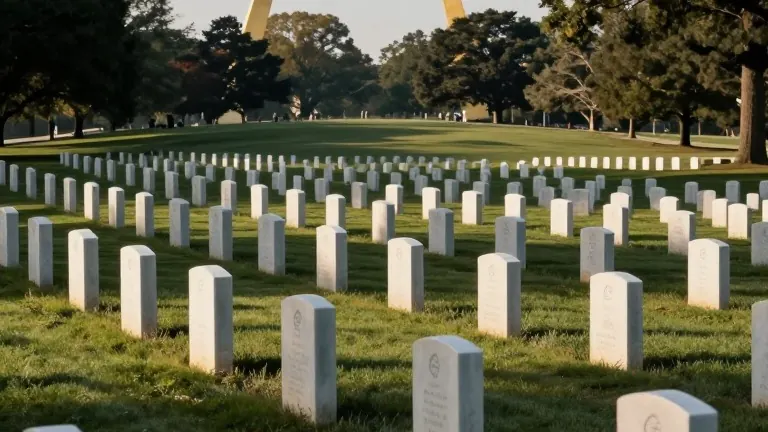
The arch would stand on a traffic circle roughly half a mile from the cemetery’s main entrance. At its planned height, the gold and granite structure would exceed the height of the Lincoln Memorial. Opponents say it would break the visual alignment between the Lincoln Memorial, Memorial Bridge, and Arlington House. They argue the design would cast literal shadows over gravesites and introduce construction noise into a space currently defined by quiet reflection.
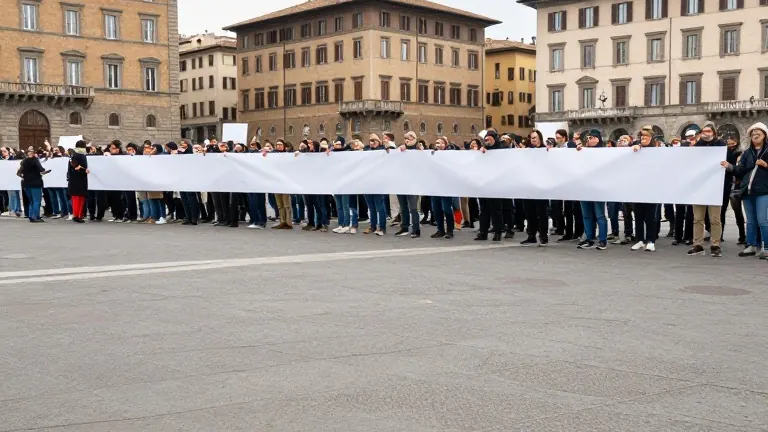
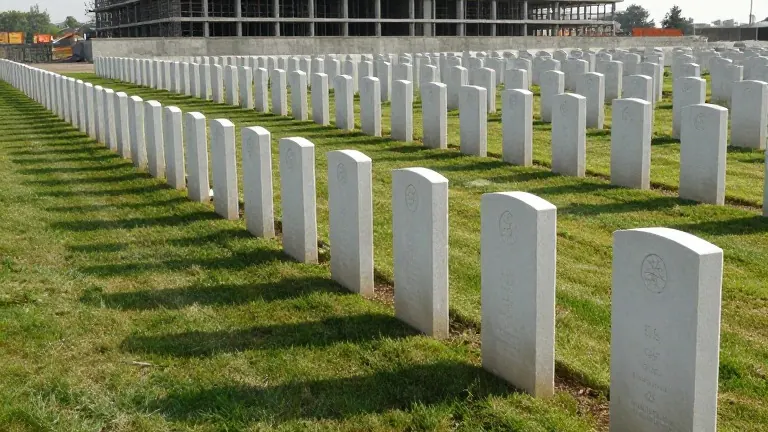
Arlington National Cemetery holds more than 430,000 people, including two presidents and over 400 Medal of Honor recipients. The site receives an estimated three to four million visitors annually. Families of the fallen, including nine members of the Kennedy political dynasty, have joined lawsuits claiming the arch will fundamentally change the visiting experience. They describe the current setting as open and peaceful, a quality they believe the new monument will destroy.
Bart Collart, father of Cpl. Spencer Collart, voiced strong opposition during a recent planning commission hearing. Collart died in August 2023 when his V-22 Osprey crashed in Australia. His father said the arch is a "billboard for an ego" and a "loud, boastful, gaudy piece of marketing" placed on sacred ground. Collart urged commissioners to look at the simple white headstones and show respect for the uniform his son wore. More than 100,000 public comments on the project, the majority opposed the build.
Supporters, including Jared Craig of Veterans for America First, argue the arch fulfills a 1925 congressional mandate to add a monument to the circle. Craig stated the project honors veterans and does not require physical changes to the cemetery itself. However, Jimi Shaughnessy, a veteran and program manager at the National Parks Conservation Association, disagrees. He visits his great-grandparents’ graves regularly and fears the looming structure and tourist activity will intrude on funerals and personal moments.
Micki McElya, a historian at the University of Connecticut, described the cemetery as the most hallowed ground in the United States. She noted that the site represents the nation's complicated history, including slavery and military sacrifice. The White House did not respond to a request for comment regarding the ongoing litigation and the project's future status.
The planning commission held a 10-hour hearing earlier this month to review the proposal. While the commission approved the arch, the federal court block remains in effect. Families and veterans continue to monitor the legal proceedings as the project moves through the approval process.