Houthis strike Saudi refinery as Trump warns of new strikes next year
Yemen's Houthis targeted a major Saudi oil complex on Sunday amid widening Gulf hostilities, while President Trump threatened further military action if diplomatic talks fail.
By Adrian Powell ·
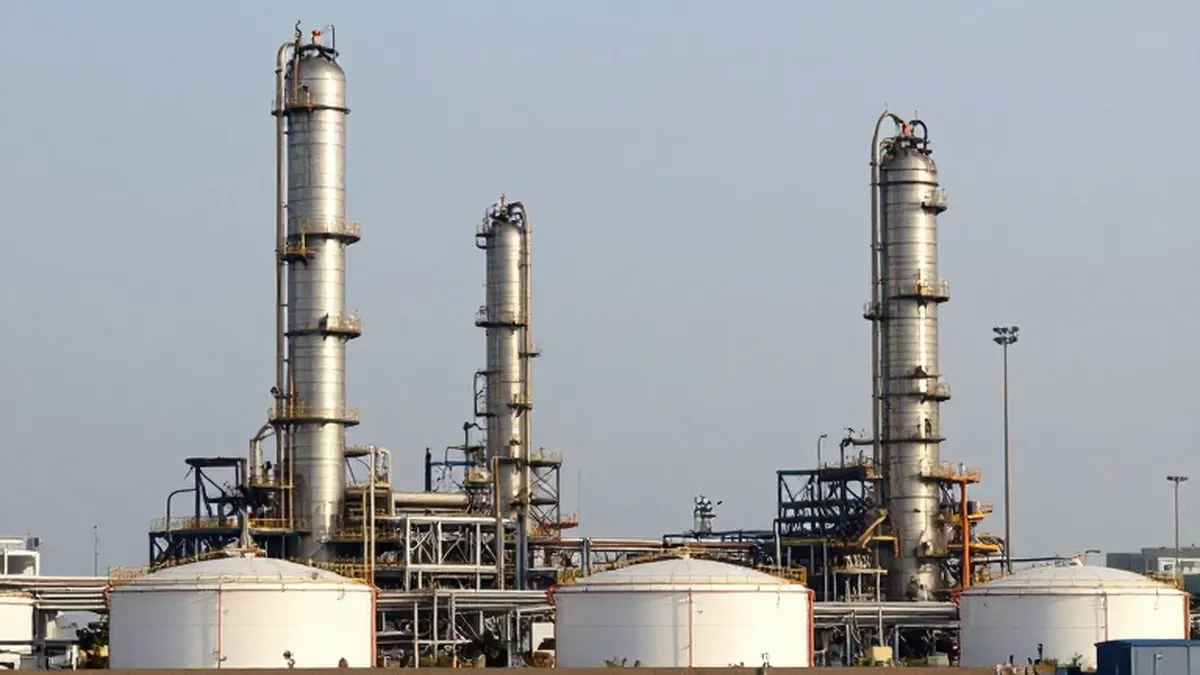
Yemen's Iran-backed Houthis announced on Sunday that they had targeted the Rabigh oil refinery in Saudi Arabia. This attack represents the latest indication of escalating tensions in the region, as Iranian forces aim to pressure the United States into accepting their terms for ending the conflict. The group stated that they directly hit the infrastructure, although the full extent of the damage remains unclear according to reports from Reuters.
Earlier in the day, the Saudi-led coalition fighting the Houthis reported that it had intercepted and destroyed a drone launched toward the western region of Saudi Arabia. This area contains some of the kingdom's most critical energy refining and export facilities. The Rabigh complex, located approximately 165 kilometers north of Jeddah on the Red Sea coast, is home to Petro Rabigh, a significant oil refining and petrochemical site developed by Saudi Aramco and Japan's Sumitomo Chemical.
The Saudi Ministry of Interior did not immediately respond to requests for comment regarding the incident. Across the Gulf, countries reported multiple attacks by Iran-linked forces over the weekend. Despite the violence, the Iranian foreign minister stated that his government remains open to a negotiated end to the war. Bahraini authorities confirmed that an Iranian attack on a civilian industrial facility on Saturday resulted in two injuries.
These recent attacks mark the latest phase of escalation in regional hostilities since the war between the U.S.-Israel and Iran began in late February. Negotiators have yet to agree on terms to conclude the monthslong conflict. The war has drawn in Gulf nations and disrupted energy flows through the Strait of Hormuz, a waterway that previously carried one-fifth of the world's crude shipments. This disruption has pushed up global prices for oil and other commodities.
Maritime safety concerns have also increased. The United Kingdom Maritime Trade Operations reported another incident involving a tanker and military forces in the Gulf of Oman on Sunday. This followed an incident the previous day in which two tankers were struck by unknown projectiles. The maritime agency urged vessels to remain vigilant about the operational environment without providing further specific details.
Tehran has indicated its intention to end the war with the United States through diplomacy, but President Donald Trump has dismissed Iranian proposals. Both sides have maintained indirect communication via Qatar. In a Saturday interview with Fox News, Trump warned that he was inclined to order military strikes against Tehran next year if the two countries failed to finalize an agreement.
The president blamed Iranian officials for stalling the process while escalating hostilities after the U.S. elections. He described them as professional tap dancers, noting that they talk constantly but take little action. Trump added that they are more aggressive now than they were before the election.
The president has previously stated that Tehran wants a deal but not one that is acceptable to him. His stance has oscillated between favoring an agreement to end the fighting and insisting that the U.S. does not need to rush into any deal or fear resuming aggressive attacks. Iranian Deputy Foreign Minister Kazem Gharibabadi said after a two-hour meeting with Qatari mediators that discussions are ongoing to see if diplomacy can be given another opportunity.
Financial markets showed a slight dip in response to the news. In early Asia trading hours, international benchmark Brent futures fell 0.22 percent to $92.35 per barrel. Meanwhile, WTI crude was down 0.19 percent at $83.25 a barrel.
More News · National news · Report a business · Got a Story?